Traditional dental implant treatment involves surgery, a healing period of several months, and then a return appointment to attach the final crown. For many patients, this staged approach works well. But a growing number of qualifying patients now have access to a faster alternative. Immediate load dental implants allow a temporary crown to be attached to the implant post on the same day as surgery, giving patients a functional, natural-looking tooth before they leave the office. At Dental Arts Toronto on Front St. in downtown Toronto, we assess each patient carefully to determine whether this accelerated protocol is a safe and appropriate option for their situation.
What Immediate Loading Actually Means
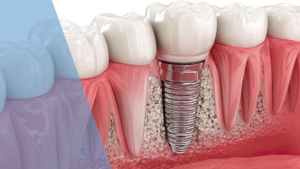
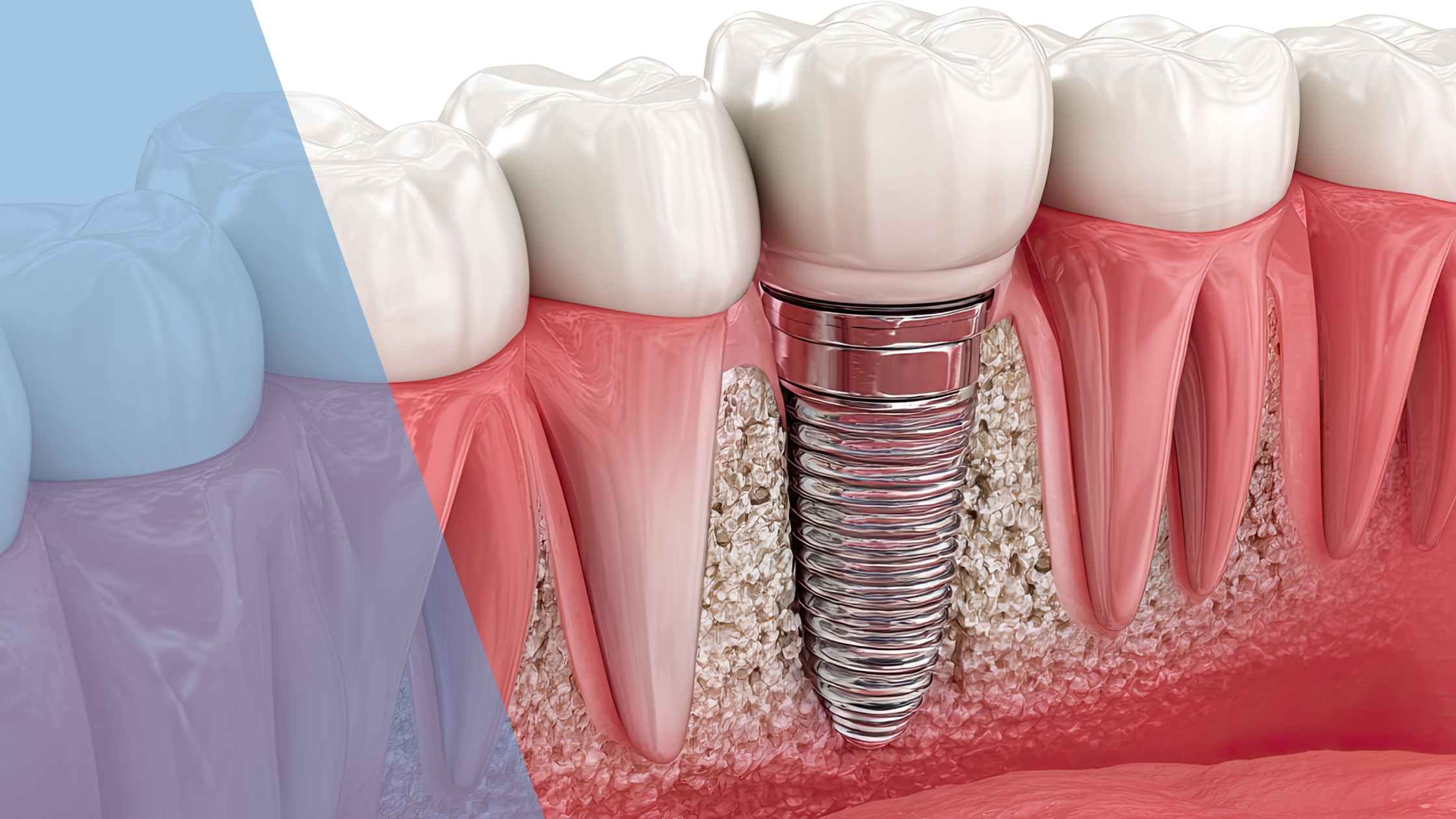
The term immediate loading refers to placing a temporary restoration on a dental implant within 48 hours of surgery, and in most cases on the same day. Traditional implant protocols require waiting three to six months after placing the implant post before attaching any crown. This waiting period allows the bone to fuse to the titanium surface of the implant through a process called osseointegration.
Immediate loading does not skip osseointegration. The bone still fuses to the implant over the following months. What changes is the timing of the temporary crown. Patients walk out with a tooth in place rather than a gap or a removable temporary appliance. The temporary crown is later replaced with the permanent restoration once osseointegration is confirmed.
This distinction matters. Immediate loading places specific demands on the implant during the healing phase. The temporary crown must not receive significant biting force while the bone integrates around the post. This is why patient selection and careful occlusal planning, meaning how the upper and lower teeth meet when biting, are critical parts of the immediate loading protocol.
When Immediate Loading Is Appropriate
Not every implant patient qualifies for same-day teeth. The immediate loading protocol suits specific clinical situations and requires careful assessment before proceeding.
Single Tooth Replacement in Low-Force Areas
Front teeth in the upper jaw are among the most common sites for immediate loading. These teeth experience less biting force than back molars, which reduces the mechanical stress on the implant during healing. Replacing a single missing front tooth with an immediate temporary crown is well-supported in the clinical literature when bone quality and volume are adequate.
Back teeth, particularly lower molars, experience the highest chewing forces in the mouth. Immediate loading in these areas carries higher risk and requires more careful assessment. Your dental team will review the specific location of the missing tooth as part of the candidacy evaluation.
Full Arch Immediate Loading
Full arch immediate loading, sometimes marketed under names like All-on-4 or Teeth in a Day, places a full set of teeth on four to six implants in a single surgical appointment. This approach suits patients who have lost all or most of their teeth in one or both arches. The implant positions and angles are planned digitally before surgery to distribute forces across the implants effectively. A full-arch temporary prosthesis attaches the same day.
Full arch immediate loading has strong clinical outcomes when patient selection is appropriate and the surgical plan is executed precisely. It dramatically reduces the total treatment timeline for patients facing full tooth loss.
Candidacy Requirements for Immediate Load Dental Implants
Immediate load dental implants demand more from both the patient and the implant than traditional delayed loading. Meeting specific criteria protects the implant during the healing phase and supports long-term success.
Sufficient Bone Density and Volume
The implant post needs enough bone to achieve high primary stability at the time of placement. Primary stability refers to how firmly the implant sits in the bone immediately after surgery, before any biological integration has occurred. Surgeons measure this using a torque value during placement. Immediate loading typically requires a torque value of 35 Newton-centimetres or higher, though individual protocols vary.
Patients with significant bone loss from extended tooth loss or untreated gum disease may not achieve the primary stability needed for immediate loading. In these cases, bone grafting before implant placement, or a traditional delayed loading approach, is the safer path.
Healthy Gum Tissue and No Active Infection
Active gum disease or infection at the implant site rules out immediate loading until the condition is fully treated. Placing an implant into infected tissue significantly increases failure risk regardless of the loading protocol. Gum health must be assessed and, where necessary, treated before any implant surgery proceeds.
Controlled Systemic Health
Certain medical conditions and medications affect bone healing and implant integration. Uncontrolled diabetes, active cancer treatment, and long-term use of bisphosphonate medications all require careful evaluation before implant surgery. For immediate loading specifically, where the implant faces mechanical stress during the integration period, systemic health factors carry additional weight in the assessment.
Your dental team at Dental Arts At Front reviews your full medical history during the consultation. Transparency about your health conditions and medications helps the team plan the safest and most appropriate approach for your situation.
Non-Smoker or Strong Willingness to Quit
Smoking significantly impairs the healing response and increases implant failure rates across all protocols. For immediate loading, where the implant integrates while bearing a temporary crown, this risk is amplified. Patients who smoke are advised to quit before surgery and to avoid smoking throughout the integration period. Your dental team will discuss this honestly as part of the candidacy assessment.
Commitment to Dietary Restrictions During Healing
Immediate load patients must commit to a soft food diet during the integration period, which typically lasts two to four months. The temporary crown is not designed for full chewing function. Biting hard, crunchy, or chewy foods places force on the implant that can disrupt osseointegration and cause failure. Patients who struggle to adhere to dietary restrictions are better candidates for traditional delayed loading, where no crown is in place during the healing phase.
Immediate Loading vs. Traditional Delayed Loading: Key Differences
Understanding the differences between these two approaches helps patients and their dental teams make the right decision for each individual case.
Timeline
Traditional delayed loading places the implant post, waits three to six months for osseointegration, and then attaches the abutment and crown. The full process from surgery to final crown typically takes six to twelve months.
Immediate loading compresses the visible treatment timeline significantly. Patients leave with a temporary tooth the same day and receive their permanent crown once integration is confirmed, usually three to four months later. The total treatment time shortens considerably for qualifying patients.
Patient Experience
Leaving the surgical appointment with a tooth in place has clear psychological and functional benefits. Patients avoid the self-consciousness of a visible gap, particularly for front teeth. They maintain near-normal speech and some eating function from day one, within the soft food restrictions. For many patients, this improvement in quality of life during the healing period is a significant motivator.
Traditional delayed loading patients often wear a removable temporary appliance, called a flipper, during the healing phase. Flippers restore appearance but do not replicate the feel of a fixed tooth. Some patients find them comfortable. Others find them awkward, particularly for speaking and eating.
Risk Profile
Traditional delayed loading carries a lower mechanical risk during osseointegration because the implant faces no crown-related forces while the bone heals. Immediate loading introduces controlled stress on the implant during this period. When the protocol is appropriate for the patient and executed with precision, outcomes are comparable. When candidacy criteria are not fully met, immediate loading carries a higher failure risk than delayed loading.
A 2019 systematic review published in the International Journal of Oral and Maxillofacial Implants found that immediate loading achieved survival rates comparable to conventional loading in carefully selected patients. Patient selection and surgical technique remain the dominant factors in determining outcomes.
Cost Considerations
Immediate loading does not typically cost less than traditional implant treatment. The surgical planning, temporary crown fabrication, and additional monitoring during the healing phase all factor into the overall investment. For full arch cases, the immediate prosthesis requires significant laboratory and clinical work on the day of surgery.
Patients should discuss the full cost structure at their consultation, including what the temporary crown involves and how the transition to the permanent restoration is handled. At Dental Arts At Front, we walk every implant patient through a clear, itemized treatment plan before any decisions are made.
What the Immediate Load Process Looks Like at Dental Arts At Front
The process begins with a comprehensive consultation including a cone beam CT scan, which produces a three-dimensional image of the jawbone. This imaging confirms bone volume and density, identifies the positions of critical anatomical structures, and allows the surgical team to plan implant placement digitally before the patient enters the surgical suite.
On the day of surgery, the implant post is placed under local anaesthesia, with sedation available for patients who want additional comfort. Primary stability is measured immediately after placement. If the torque value meets the threshold for immediate loading, the temporary crown attaches the same day. If it falls short, the team transitions to a delayed loading approach, which is discussed with the patient before leaving.
Follow-up appointments monitor osseointegration through X-rays taken at regular intervals. Once integration is confirmed and the surrounding tissue has healed fully, the permanent crown replaces the temporary one.
Book Your Implant Consultation at Dental Arts At Front
If you are missing a tooth and want to understand whether same-day teeth are an option for your situation, the right starting point is a thorough consultation. Dental Arts At Front is located at 350 Front Street West in downtown Toronto and welcomes patients for dental implant assessments and treatment planning.
Call us at 416-551-4401 to book your consultation. Immediate load dental implants offer a remarkable outcome for the right patient, and we are here to help you find out whether that includes you.