As a dentist practicing in downtown Toronto, I’ve had countless conversations with patients who are facing the decision between dental implants and dentures. It’s a significant choice that affects not just your smile, but your daily life, confidence, and long-term oral health. At Dental Arts Toronto, we believe in helping our patients make informed decisions that align with their lifestyle and goals.
Let me walk you through the key differences between dental implants and dentures so you can determine which option is right for you.
Understanding the Basics: What Are Dental Implants and Dentures?
Before we compare these two tooth replacement options, let’s clarify what each one involves.
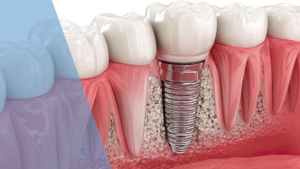
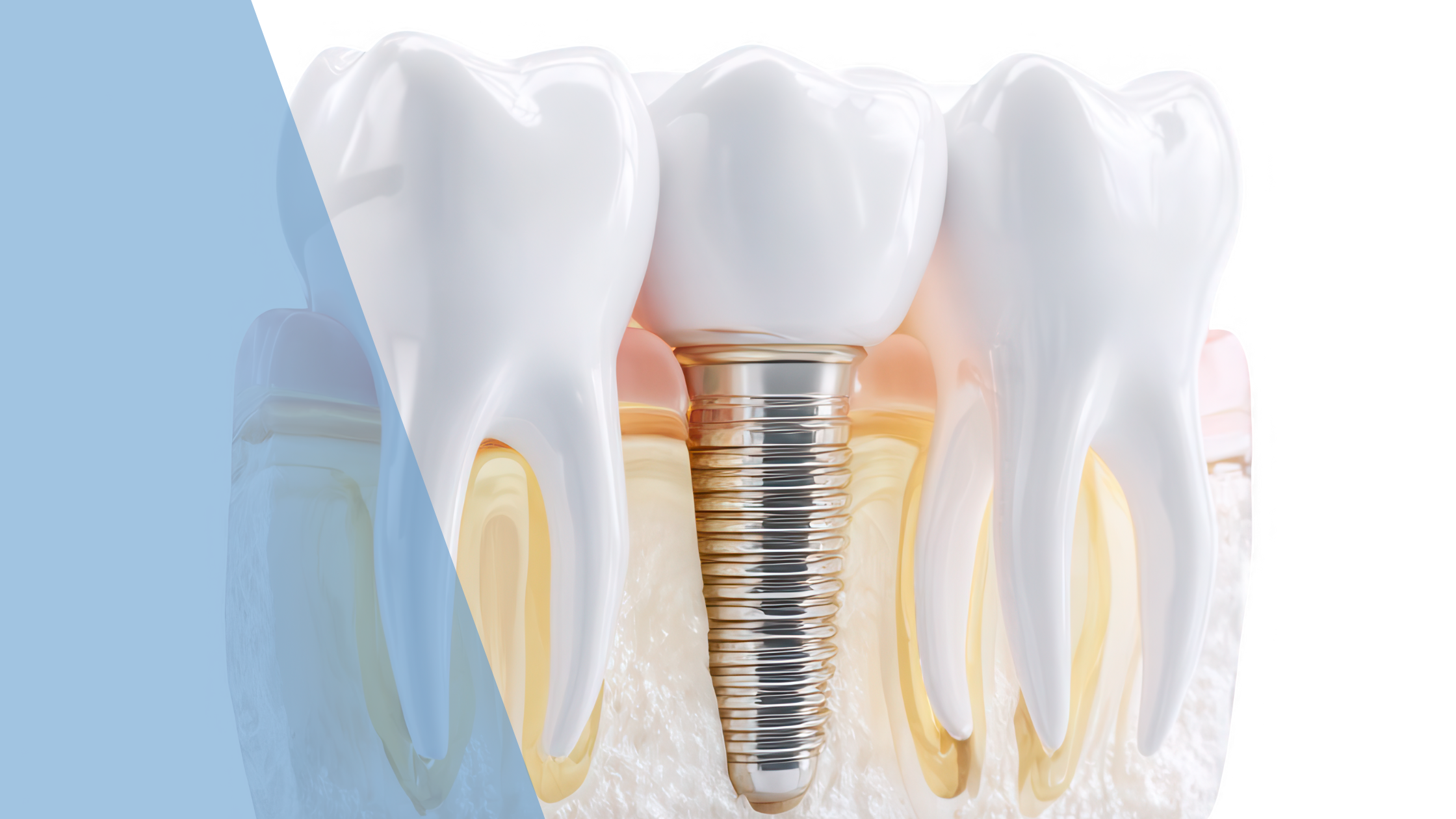
Dental implants are titanium posts surgically placed into your jawbone. They act as artificial tooth roots and support crowns, bridges, or even full-arch restorations. Once healed, they become a permanent part of your mouth.
Dentures, on the other hand, are removable prosthetic devices. They can replace a few teeth (partial dentures) or an entire arch (complete dentures). They rest on your gums and are held in place by suction, adhesive, or clasps.
Daily Maintenance: What to Expect with Each Option
One of the most practical considerations is how much time and effort you’ll spend maintaining your tooth replacement.
Caring for Dental Implants
Dental implants require maintenance similar to natural teeth. You’ll brush twice daily, floss regularly, and visit your dentist for routine cleanings. There’s no need to remove them or use special cleaning solutions. At Dental Arts At Front, we tell patients that if they can care for their natural teeth, they can care for dental implants.
The simplicity of this routine appeals to many patients who want a “set it and forget it” solution.
Caring for Dentures
Dentures demand more involved daily care. You must remove them nightly for cleaning, soak them in a denture solution, and clean your gums before reinserting them each morning. You’ll also need denture adhesive to keep them secure throughout the day.
Over time, dentures may require adjustments or relining as your jawbone changes shape. This means additional dental visits beyond routine checkups.
Functional Differences: Eating, Speaking, and Comfort
How well can you eat your favourite foods? Can you speak clearly and confidently? These functional aspects significantly impact your quality of life.
Eating with Confidence
Dental implants restore approximately 80 to 90 percent of natural chewing power, according to research published in the Journal of Prosthodontics. This means you can enjoy steak, apples, corn on the cob, and other foods without worry. The stability of dental implants allows you to bite and chew naturally.
Dentures typically restore only 20 to 25 percent of natural chewing force. Many denture wearers avoid certain foods because they’re difficult to chew or might dislodge the dentures. Sticky, hard, or chewy foods often become off-limits.
Speaking Naturally
Dental implants don’t affect your speech because they’re fixed in place and don’t cover your palate. You’ll speak as naturally as you did with your original teeth.
Dentures, especially upper dentures, can initially affect speech. The bulk of the denture and its movement in your mouth may cause slurring or clicking sounds. While most people adapt over time, some never feel completely comfortable speaking with dentures.
All-Day Comfort
Because dental implants fuse with your jawbone through a process called osseointegration, they feel like your own teeth. There’s no slipping, no rubbing, and no sore spots on your gums.
Dentures can cause discomfort, especially during the adjustment period. They may slip when you eat or speak, and they can create pressure points that lead to gum irritation. Many patients at our Toronto practice, located at 350 Front St W, report that dentures feel bulky and unnatural.
Long-Term Cost Analysis: Investment vs. Ongoing Expenses
The upfront cost often drives the initial decision, but it’s important to consider the total cost over your lifetime.
Initial Investment
Dental implants have a higher initial cost, typically ranging from $3,000 to $6,000 per tooth in Canada. A full-arch restoration can cost between $20,000 and $45,000. This investment includes the surgical placement, abutment, and crown.
Dentures are more affordable initially, costing between $1,500 and $3,000 for a complete set. Partial dentures are less expensive, ranging from $700 to $1,800.
Lifetime Costs
Here’s where the numbers shift dramatically. Dental implants can last 25 years or more with proper care. Many last a lifetime. According to a study in the International Journal of Oral and Maxillofacial Implants, dental implants have a success rate exceeding 95 percent over 10 years.
Dentures need replacement every 5 to 8 years. You’ll also spend money on adhesives, cleaning solutions, and periodic adjustments. Over 20 years, you might replace your dentures three times, plus ongoing maintenance costs. This can total $10,000 to $15,000 or more.
When you calculate the cost per year, dental implants often become the more economical choice over time.
Protecting Your Jawbone Health
There’s an important health consideration that many patients don’t initially consider: bone preservation.
When you lose teeth, your jawbone begins to deteriorate because it no longer receives stimulation from tooth roots. This process, called resorption, continues throughout your life.
Dental implants prevent bone loss by stimulating the jawbone just like natural tooth roots. This preserves your facial structure and prevents the sunken appearance that often develops in long-term denture wearers.
Dentures don’t prevent bone loss. In fact, the pressure they place on your gums can accelerate resorption. This is why dentures become loose over time and require frequent adjustments.
Making Your Decision: Which Option Fits Your Lifestyle?
The right choice depends on your individual circumstances, priorities, and health status.
Consider dental implants if you:
- Want a permanent, low-maintenance solution
- Value the ability to eat all types of food
- Are concerned about long-term bone health
- Prefer a solution that feels most like natural teeth
- Can make the initial financial investment
Consider dentures if you:
- Need an affordable immediate solution
- Have health conditions that make surgery risky
- Prefer a non-surgical option
- Don’t mind daily removal and cleaning routines
- Need a temporary solution while planning for implants
Your Next Steps at Dental Arts Toronto
At Dental Arts At Front, we offer comprehensive consultations to evaluate your oral health, discuss your goals, and review all available options. Every patient’s situation is unique, and we’re committed to finding the solution that works best for you.
Whether you choose dental implants or dentures, the most important step is replacing missing teeth. Both options are far better than leaving gaps in your smile, which can lead to shifting teeth, bite problems, and further tooth loss.
If you’re in the Toronto area and ready to explore your tooth replacement options, call us at (416) 551-4401 to schedule your consultation. We’ll take the time to answer all your questions and help you make the choice that’s right for your lifestyle.
Your smile is worth the investment, and we’re here to guide you every step of the way.