Losing a filling or crown rarely happens at a convenient time. It tends to happen on a Friday evening, before a weekend trip, or right before an important meeting. Suddenly a tooth that felt fine is sensitive, rough to the tongue, and completely exposed. For many patients, the first question is whether this actually counts as an emergency. The short answer is yes. A lost filling or crown is exactly the kind of situation your emergency dentist in downtown Toronto handles every day. At Dental Arts At Front on Front Street West, we see these cases regularly and move quickly to protect the tooth and restore your comfort.
Why Lost Dental Work Demands Prompt Attention
A filling or crown does more than improve the appearance of a tooth. It seals and protects the underlying tooth structure from bacteria, temperature changes, and physical force. When that protection disappears, the tooth becomes vulnerable almost immediately.
Without a filling, the cavity space that was restored now sits open. Bacteria re-enter the area and begin breaking down the tooth structure again. Depending on how deep the original filling was, the exposed dentine or pulp tissue can cause significant sensitivity to cold, heat, sweets, and pressure. The longer the tooth remains unprotected, the more damage accumulates.
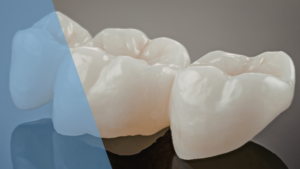
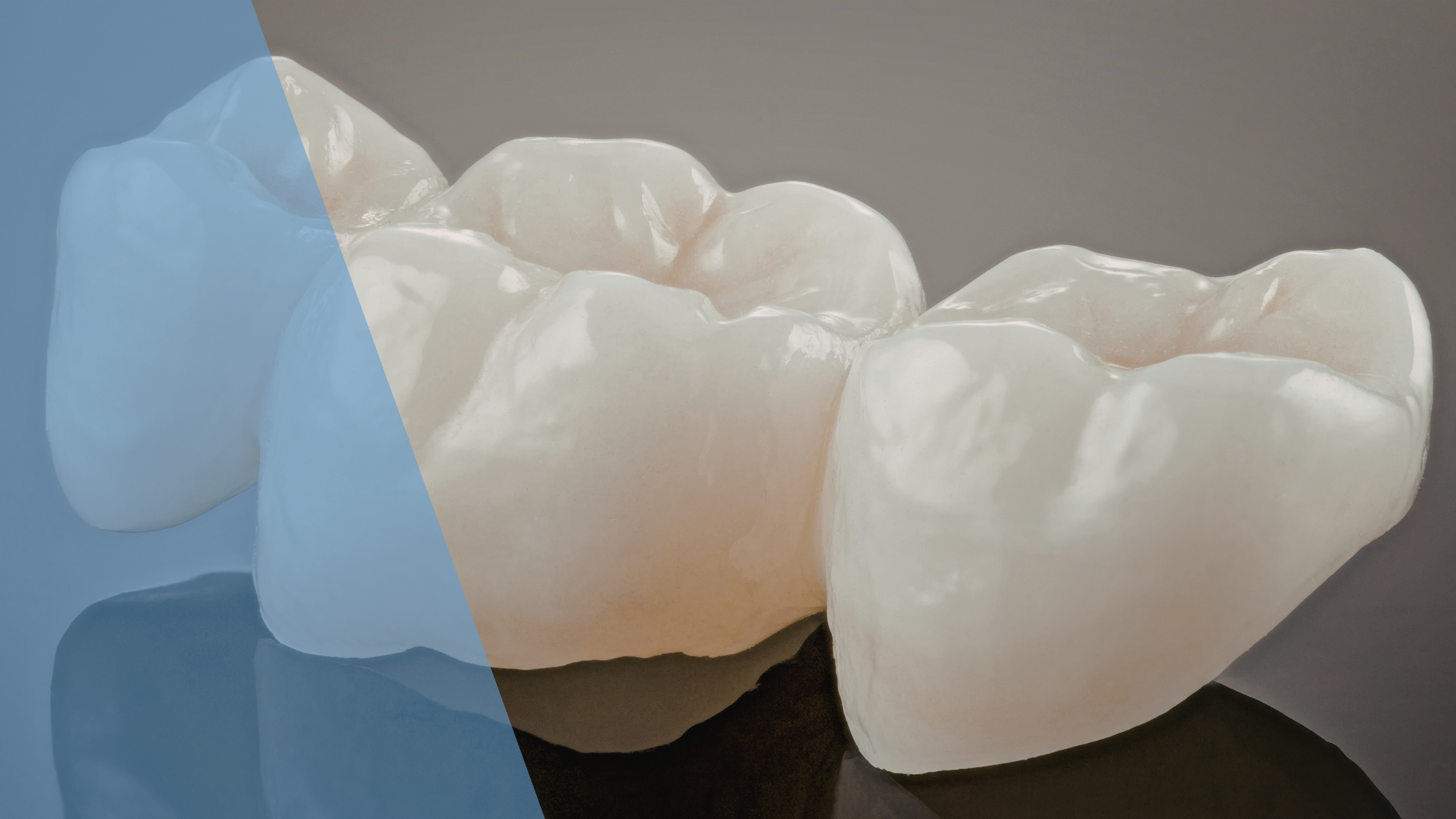
A lost crown exposes a tooth that was prepared for that crown by removing a layer of enamel. That preparation leaves the tooth smaller and thinner than a natural unprepared tooth. Without the crown sitting over it, the prepared tooth is fragile and highly sensitive. Biting forces that a healthy tooth handles easily can crack or fracture a prepared tooth without its crown in place.
Waiting several days to see a dentist about lost dental work is not a low-risk decision. Contacting your emergency dentist in downtown Toronto the same day gives the tooth the best protection and reduces the likelihood of needing more extensive treatment when you arrive.
What Happens to the Tooth Without Protection
The speed at which problems develop after losing a filling or crown surprises many patients. Here is what the tooth faces without its restoration.
Bacteria move quickly into an open cavity. Even with careful brushing, the irregular surface of an unrestored tooth collects plaque efficiently. Decay that took months to develop initially can accelerate in a previously compromised tooth structure.
Temperature sensitivity is often the first symptom patients notice. The dentine layer beneath enamel contains microscopic tubules that connect directly to the nerve. When these tubules are exposed, hot and cold stimuli travel rapidly to the nerve and produce sharp, sometimes intense discomfort.
A prepared tooth without its crown faces mechanical risk with every bite. The tooth structure remaining after crown preparation is not designed to bear full occlusal force independently. A single bite on something firm can crack the remaining tooth wall. If the crack extends below the gum line or into the root, saving the tooth becomes significantly more difficult and sometimes impossible.
For teeth that have previously had root canal treatment, a lost crown carries an additional concern. Root canal treated teeth rely on their crown for structural integrity. Without it, fracture risk increases substantially with every passing day.
What to Do Before Reaching Your Emergency Dentist in Downtown Toronto
Getting to your emergency dentist in downtown Toronto as quickly as possible is always the priority. But if there is a gap between losing the filling or crown and your appointment, a few practical steps protect the tooth in the meantime.
For a Lost Crown
Locate the crown if possible and keep it safe. Do not attempt to glue it back with household adhesives like super glue. These products are not safe for oral use and can damage both the crown and the underlying tooth, complicating re-cementation at the dental office.
Dental cement is available at most pharmacies under brand names like Dentemp or Fixodent. This temporary cement lets you reseat the crown over the prepared tooth to protect it until your appointment. Clean the inside of the crown gently, dry the tooth surface as best you can, and apply a small amount of cement before pressing the crown carefully into place. Bite down gently to seat it fully. This is a temporary measure and does not replace professional re-cementation, but it reduces sensitivity and protects the tooth from fracture.
If the crown is lost entirely or damaged and cannot be reseated, dental cement applied directly to the exposed tooth surface creates a temporary protective layer. It is not as effective as the crown itself but offers meaningful protection.
For a Lost Filling
Rinse the area gently with warm water to clear any debris. Temporary filling material, available at pharmacies, fills the cavity space to protect the exposed dentine and reduce sensitivity. Press it gently into the cavity and smooth the surface. It will not withstand normal chewing but reduces bacterial access and temperature sensitivity until you reach your emergency dentist in downtown Toronto.
Avoid chewing on the affected side entirely. Stick to soft foods and avoid very hot, cold, or sweet items that stimulate the exposed tooth. Over-the-counter dental cement or temporary filling material combined with avoiding that side of the mouth provides reasonable short-term protection.
Clove oil, which contains the natural anaesthetic compound eugenol, reduces sensitivity when applied to the exposed area with a cotton swab. It does not treat the underlying problem but offers temporary comfort while you wait for your appointment.
Temporary Restoration Procedures at the Emergency Dental Office
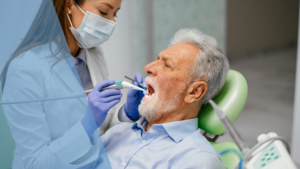
When you arrive at Dental Arts At Front, your emergency dentist in downtown Toronto assesses the situation before deciding on the appropriate immediate treatment.
Crown Re-cementation
If your original crown is intact and the underlying tooth structure is undamaged, re-cementation is often a straightforward same-day procedure. The tooth is cleaned and dried, the inside of the crown is prepared, and a permanent or long-term temporary cement secures the crown back in place. The bite is checked and adjusted if needed. The entire process typically takes under an hour.
If the crown broke or cannot be reseated due to changes in the underlying tooth, your emergency dentist will place a temporary crown to protect the tooth while a new permanent crown is fabricated by the dental laboratory.
Temporary Crown Placement
Temporary crowns are fabricated chairside using tooth-coloured resin material shaped to cover and protect the prepared tooth. They restore appearance, protect the tooth from sensitivity and fracture risk, and maintain the space so the surrounding teeth do not shift before the permanent crown arrives.
Temporary crowns are not as durable as permanent restorations. They require some care during the interim period. Avoiding sticky foods, chewing carefully on that side, and maintaining thorough oral hygiene around the temporary crown all help it stay in place until the permanent crown is ready.
Replacing a Lost Filling
For a lost filling, your emergency dentist cleans the cavity, removes any newly developed decay, and places a new filling. In many cases this restores the tooth fully in a single appointment. If the cavity has deepened significantly since the original filling was placed, or if the tooth has developed sensitivity suggesting pulp involvement, a more comprehensive assessment guides the next steps.
Your emergency dentist will discuss findings and options clearly so you understand exactly what the tooth needs and what the treatment timeline looks like.
When a Lost Filling or Crown Reveals a Bigger Problem
Sometimes a filling or crown does not fall out randomly. It fails because something changed in the tooth beneath it. Decay developing around the margins of an old filling can undermine it and cause it to loosen. A crack in the tooth structure can displace a crown. Bite changes over time can stress a restoration until it fails.
When your emergency dentist in downtown Toronto assesses the situation, they look beyond the lost restoration itself. X-rays reveal what is happening in the tooth and surrounding bone. This assessment sometimes uncovers decay, a cracked tooth wall, or other concerns that the restoration had been concealing.
Finding these issues promptly is a genuine advantage. Addressing decay at the time of replacement is simpler than treating it after it has spread further. Identifying a crack early allows treatment options that a crack discovered months later might not permit.
Preventing Future Crown and Filling Loss
After the immediate situation is resolved, a brief conversation with your dental team about why the restoration failed helps reduce the risk of it happening again.
Old restorations have finite lifespans. Composite fillings typically last seven to ten years. Amalgam fillings can last longer but eventually develop micro-fractures and seal breakdown. Crowns last ten to fifteen years or more with good care, but the cement bond can weaken over time. Regular check-ups allow your dental team to monitor restorations and identify those approaching the end of their lifespan before they fail unexpectedly.
Grinding and clenching place significant force on fillings and crowns and accelerate their wear. A custom night guard reduces this force during sleep and extends the lifespan of dental restorations meaningfully. If grinding is a factor in your case, your dental team at Dental Arts At Front will raise it as part of your follow-up care plan.
Contact Your Emergency Dentist in Downtown Toronto Today
A lost filling or crown deserves the same prompt attention as any other dental emergency. The tooth is vulnerable from the moment the restoration is gone, and every hour without protection increases the risk of sensitivity, decay, and fracture.
Dental Arts At Front is located at 350 Front Street West in downtown Toronto and welcomes patients dealing with lost fillings, displaced crowns, and other urgent dental situations. Our team moves efficiently to assess the tooth, restore protection, and give you a clear plan for what comes next.
Call us at 416-551-4401 as soon as you notice the problem. Acting quickly is the single most effective thing you can do for a tooth that has lost its restoration.