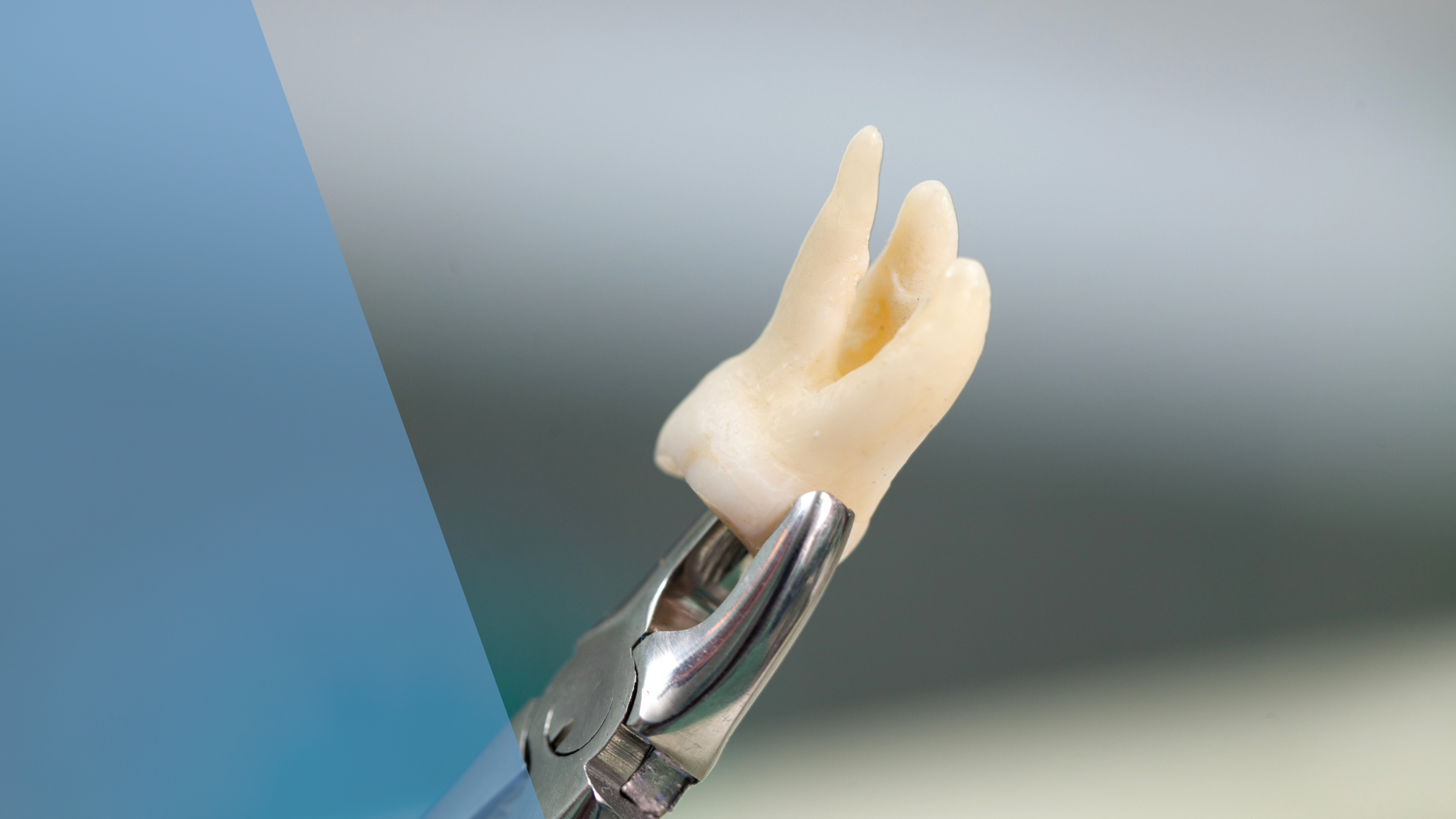
Facing wisdom teeth extractions can feel overwhelming. You’ve probably heard stories from friends or family, and you’re wondering what your own experience will be like. As a dentist at Dental Arts Toronto, I’ve performed countless wisdom teeth extractions, and I can tell you that understanding the process makes it far less intimidating.
Let me walk you through everything you need to know about wisdom teeth extractions, from your first consultation to full recovery. Knowledge is power, and being prepared will help you feel confident and comfortable throughout the entire process.
Why Do Wisdom Teeth Need to Be Removed?
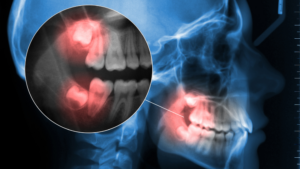
Wisdom teeth, or third molars, typically emerge between ages 17 and 25. Many people don’t have enough room in their jaws for these teeth, which can lead to several problems.
Impacted wisdom teeth can cause pain, infection, damage to adjacent teeth, and cyst formation. According to the Canadian Dental Association, approximately 85% of wisdom teeth will eventually need to be removed. Early removal often prevents complications and makes the procedure simpler.
Even if your wisdom teeth aren’t causing problems now, your dentist may recommend extraction as a preventive measure. At Dental Arts At Front, we evaluate each patient individually to determine the best course of action.
Pre-Operative Preparation for Wisdom Teeth Extractions
Proper preparation ensures your wisdom teeth extractions go smoothly and helps prevent complications.
Your Initial Consultation
During your consultation, we’ll take X-rays or a 3D scan to assess the position of your wisdom teeth. This imaging shows us the tooth’s angle, root structure, and proximity to nerves and sinuses.
We’ll discuss your medical history, current medications, and any allergies. Be honest about all supplements and medications you take, as some can affect bleeding or interact with anesthesia.
Fasting Requirements
If you’re having sedation or general anesthesia for your wisdom teeth extractions, you’ll need to fast beforehand. Typically, this means:
- No food or drink (including water) for 8 hours before your procedure
- No chewing gum or mints during the fasting period
- You may brush your teeth but don’t swallow water
If you’re having local anesthesia only, fasting isn’t necessary. You can eat a light meal before your appointment.
Medication Guidelines
Your dentist will provide specific instructions about your medications:
Stop taking: Blood thinners like aspirin or ibuprofen should be stopped 5 to 7 days before surgery (only with your doctor’s approval). These increase bleeding risk.
Continue taking: Most prescription medications should be continued. Take them with a small sip of water even during your fasting period.
Antibiotics: If prescribed before surgery, take them exactly as directed. This helps prevent infection.
What to Arrange Before Surgery
Plan ahead to make your recovery easier:
- Arrange for someone to drive you home (required if you have sedation)
- Take time off work or school (typically 2 to 4 days)
- Stock up on soft foods and cold drinks
- Fill any prescribed medications before your appointment
- Wear comfortable, loose-fitting clothing
- Remove contact lenses and avoid wearing makeup
What Happens During Wisdom Teeth Extractions
Understanding the procedure helps reduce anxiety. Here’s what you can expect during your wisdom teeth extractions at our downtown Toronto location.
Anesthesia Options
We offer several anesthesia options:
Local anesthesia: Numbs only the extraction area. You’re awake but feel no pain.
Sedation (twilight sleep): You receive medication through an IV that makes you drowsy and relaxed. You may not remember the procedure.
General anesthesia: You’re completely unconscious. This is typically used for complex extractions or anxious patients.
We’ll help you choose the best option based on the complexity of your case and your comfort level.
The Extraction Process Step by Step
Once you’re numb or sedated, the extraction begins:
Step 1: We make an incision in the gum tissue to expose the tooth and bone.
Step 2: We remove any bone blocking access to the tooth root.
Step 3: We may divide the tooth into sections to remove it more easily. This is common for impacted teeth.
Step 4: We gently rock the tooth back and forth to loosen it from the ligaments holding it in place.
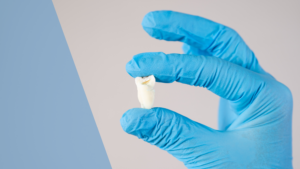
Step 5: We remove the tooth and clean the socket of any debris.
Step 6: We place stitches to help the gum tissue heal (these usually dissolve on their own).
Step 7: We pack the socket with gauze to control bleeding.
The entire process typically takes 45 minutes to an hour for all four wisdom teeth extractions. Simple extractions may take less time.
What You’ll Feel During the Procedure
With proper anesthesia, you shouldn’t feel pain during wisdom teeth extractions. You may feel:
- Pressure as we work to loosen the tooth
- Pulling sensations
- Sounds of instruments or cracking (this is normal)
If you feel pain at any point, let us know immediately. We can administer more anesthesia to keep you comfortable.
Recovery Timeline After Wisdom Teeth Extractions
Recovery from wisdom teeth extractions follows a predictable pattern. Here’s what to expect during each stage.
First 24 Hours: Immediate Recovery
The first day is crucial for proper healing:
Bleeding: Expect some bleeding for the first few hours. Bite firmly on gauze pads for 30 to 45 minutes. Change them as needed.
Swelling: Swelling peaks around 48 to 72 hours after surgery. Apply ice packs for 15 minutes on, 15 minutes off during the first 24 hours.
Pain: Discomfort is normal. Take prescribed pain medication as directed. Don’t wait until pain becomes severe.
Diet: Stick to cold, soft foods like ice cream, yogurt, smoothies, and applesauce. Avoid hot foods, which can dislodge clots.
Activity: Rest with your head elevated. Avoid physical activity, bending over, or lifting heavy objects.
Don’t: Rinse your mouth, use straws, smoke, or spit forcefully. These actions can dislodge blood clots and cause dry socket.
Days 2 to 3: Peak Swelling Phase
Swelling and bruising may worsen before they improve:
- Continue ice therapy for the first 48 hours
- After 48 hours, switch to warm compresses
- Begin gentle salt water rinses (1/2 teaspoon salt in 8 ounces warm water)
- Gradually introduce soft foods like mashed potatoes, scrambled eggs, and pasta
- Continue taking pain medication as needed
Research published in the Journal of Oral and Maxillofacial Surgery indicates that proper post-operative care reduces complications by up to 60%.
Days 4 to 7: Improvement Stage
Most patients feel significantly better by day 4 or 5:
- Swelling begins to decrease
- Pain becomes manageable with over-the-counter medication
- You can return to normal activities (avoid strenuous exercise)
- Expand your diet to include more solid foods
- Continue salt water rinses after meals
- Stitches may dissolve or be removed during this period
Weeks 2 to 4: Continued Healing
The extraction sites continue healing internally:
- Sockets gradually fill with new tissue
- You can resume normal eating habits
- Most discomfort should be gone
- Follow-up appointment to ensure proper healing
Complete bone healing takes 3 to 6 months, but you won’t notice this process.
Potential Complications and Warning Signs
While wisdom teeth extractions are generally safe, watch for these warning signs:
Dry socket: Severe pain starting 3 to 4 days after surgery. This occurs when the blood clot dislodges. Contact your dentist immediately.
Infection: Increasing pain, swelling, fever above 38°C, or foul taste/smell. You may need antibiotics.
Excessive bleeding: Bleeding that doesn’t slow after 24 hours or soaks through gauze every few minutes.
Nerve damage: Numbness or tingling in your tongue, lips, or chin lasting more than a few hours (rare but requires evaluation).
At Dental Arts Toronto, located at 350 Front St W in Toronto, we provide 24/7 emergency contact information. Call us at (416) 551-4401 if you experience any concerning symptoms.
Tips for a Smooth Recovery from Wisdom Teeth Extractions
These strategies help ensure optimal healing:
- Follow all post-operative instructions carefully
- Take the full course of antibiotics if prescribed
- Maintain oral hygiene (gently brush teeth, avoiding extraction sites)
- Stay hydrated but avoid straws
- Get plenty of rest
- Avoid alcohol and tobacco for at least 72 hours
- Sleep with your head elevated for the first few nights
- Be patient with the healing process
Is the Procedure Worth It?
Absolutely. While wisdom teeth extractions require a recovery period, the long-term benefits far outweigh the temporary discomfort. Removing problematic wisdom teeth prevents future pain, infection, crowding, and damage to adjacent teeth.
Most patients tell us the procedure was easier than they expected. With modern anesthesia techniques and proper post-operative care, wisdom teeth extractions are routine and manageable.
If you’re experiencing wisdom tooth pain or have been told you need extractions, don’t delay. Early removal typically means easier surgery and faster recovery.
Contact Dental Arts At Front at (416) 551-4401 to schedule your consultation. We’ll answer all your questions and create a personalized treatment plan that puts your comfort first.
Your journey to a healthier smile starts with a single phone call. We’re here to guide you through every step of your wisdom teeth extractions with expertise and compassion.