Wisdom teeth extractions come with more myths attached to them than almost any other dental procedure. Patients arrive having heard horror stories from friends, read alarming accounts online, or built up years of dread based on second-hand information. Some avoid treatment entirely because of what they expect. The reality, in most cases, is far more manageable than the reputation suggests. At Dental Arts Toronto on Lawrence Avenue West, we walk patients through what wisdom teeth extractions actually involve so that fear does not stand between them and the care they need.
Myth 1: Wisdom Teeth Extractions Are Extremely Painful
This is the most persistent myth, and it is rooted in outdated experience. Decades ago, dental anaesthesia and surgical technique were less refined. Patients from that era remember or were told about procedures that bear little resemblance to what happens in a modern dental office.
Today, local anaesthesia reliably numbs the entire treatment area before the procedure begins. Sedation options add an additional layer of comfort for anxious patients. During the extraction itself, patients feel pressure and movement but not sharp pain. A well-administered local anaesthetic makes the procedure itself comfortable for the vast majority of patients.
Post-operative discomfort is real and worth acknowledging honestly. The day of the extraction and the first two days after are typically the most uncomfortable. Over-the-counter pain relievers like ibuprofen and acetaminophen manage this well for most patients. Prescription pain medication is available when needed but is not required in every case. By day three or four, most patients notice clear improvement.
The pain of an untreated, impacted wisdom tooth or a pericoronitis infection, which is inflammation around a partially erupted tooth, is almost always more intense and longer-lasting than the discomfort of having the tooth removed. Avoiding the extraction does not avoid the pain. It prolongs it.
Myth 2: The Swelling Will Be Obvious and Embarrassing
Patients often imagine arriving back at work or school looking dramatically different after wisdom teeth extractions. The reality is more nuanced.
Swelling after wisdom teeth removal peaks at 48 to 72 hours after the procedure, not immediately. This surprises many patients who feel relatively fine the evening of the extraction and then notice more puffiness the following morning. It is a normal part of the body’s healing response, not a sign that something has gone wrong.
The degree of swelling varies considerably between patients. It depends on how many teeth were removed, how deeply impacted they were, individual healing response, and how consistently aftercare instructions were followed. Applying a cold pack to the outside of the face in 20-minute intervals during the first 24 hours reduces swelling significantly for most patients.
Most patients with office or school-based schedules find that taking two to three days off is sufficient. By day four or five, visible swelling has reduced enough for most people to feel comfortable returning to normal settings. Some mild puffiness may persist for a week, but it is generally subtle enough that others will not notice it unless told.
Myth 3: Bruising Means Something Went Wrong
Some patients notice bruising on the face or neck in the days following wisdom teeth extractions and assume it signals a complication. It does not.
Bruising after oral surgery happens when small amounts of blood track through the tissue and appear under the skin. It is a normal consequence of the surgical process, particularly for lower wisdom teeth extractions where the surgical site is deeper and the surrounding tissue more involved. The bruising may appear yellow, green, or purple and can spread slightly before it begins to resolve. It typically fades within one to two weeks.
Bruising that appears after extractions does not indicate damage to surrounding structures or errors in technique. It simply reflects how blood disperses through tissue after surgery. If bruising is accompanied by increasing pain, swelling, or fever, contact your dental team, as those combinations warrant assessment. Bruising alone, without other concerning symptoms, is part of normal healing.
Myth 4: Recovery Takes Weeks
Many patients delay wisdom teeth extractions because they cannot afford to lose weeks of productivity. This concern is understandable but based on an overestimate of typical recovery time.
For most straightforward extractions, the initial recovery period is three to five days. Patients return to desk work, school, and light daily activities within this window for the majority of cases. Physical activity, including exercise and sports, typically resumes after five to seven days once the risk of dislodging the healing blood clot has passed.
Full tissue healing at the extraction site takes longer, often several weeks, but this internal healing does not prevent normal daily function. The mouth feels essentially normal well before the socket has completely filled in.
Complex cases involving deeply impacted lower wisdom teeth or surgical removal through bone require more recovery time than simple erupted tooth extractions. Your dental team will give you a realistic timeline specific to your case at your consultation, so you can plan around your schedule accurately.
Myth 5: Everyone Needs Their Wisdom Teeth Removed
Not every wisdom tooth requires extraction. Some patients have enough space in their jaw for wisdom teeth to erupt fully and function normally. When wisdom teeth are properly positioned, fully erupted, easy to clean, and not causing any problems for adjacent teeth, monitoring rather than immediate removal is a reasonable approach.
The challenge is that wisdom teeth are notoriously difficult to clean thoroughly because of their position at the back of the mouth. Even fully erupted wisdom teeth develop decay at higher rates than other teeth. Many dental teams recommend removal when decay is detected rather than attempting to restore a tooth that will likely continue to be problematic.
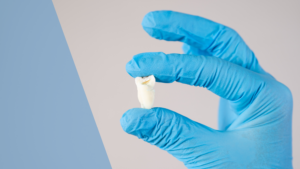
Impacted wisdom teeth, those that are partially or fully trapped beneath the gum or bone, almost always require removal eventually. Waiting until they cause symptoms typically means operating in the presence of inflammation or infection, which complicates the procedure and recovery. Early assessment and planned removal while the patient is young tends to produce faster healing and fewer complications.
What Wisdom Teeth Extractions Actually Look Like at Dental Arts Toronto
At Dental Arts Toronto, every wisdom teeth extraction begins with a thorough consultation. Panoramic X-rays show the position, angle, and depth of all four wisdom teeth and reveal the proximity of important structures like the inferior alveolar nerve. This information shapes the treatment plan and allows the team to give accurate expectations about procedure complexity and recovery.
On the day of the extraction, the area is thoroughly numbed before any work begins. Sedation options are available for patients with significant anxiety. The procedure time depends on the number of teeth and their positions, but most cases complete within an hour. Detailed aftercare instructions are reviewed before patients leave, and the team is available for questions during the recovery period.
Knowing what to expect makes wisdom teeth extractions far more manageable. Most patients are genuinely surprised by how different the experience is from what they anticipated.
Book Your Wisdom Teeth Consultation in Uptown Toronto
If you have been putting off wisdom teeth removal because of what you have heard, a consultation is the right first step. Dental Arts Toronto is located at 485 Lawrence Avenue West in Toronto and welcomes patients for wisdom teeth assessments and extractions with a team that prioritizes honest communication and patient comfort throughout.
Call us at 416-703-5244 to book your consultation. Getting accurate information about your specific situation is always better than making decisions based on someone else’s story.