When patients ask me about wisdom teeth extractions, pain and recovery are usually their first concerns. But there’s another topic that deserves an honest conversation: nerve proximity and the risk of nerve-related complications.
As a dentist at Dental Arts Toronto, I believe informed patients make better decisions and experience less anxiety. Nerve complications from wisdom teeth extractions are relatively rare, but they do happen. Here’s what you need to know.
Why Nerves Matter During Wisdom Teeth Extractions
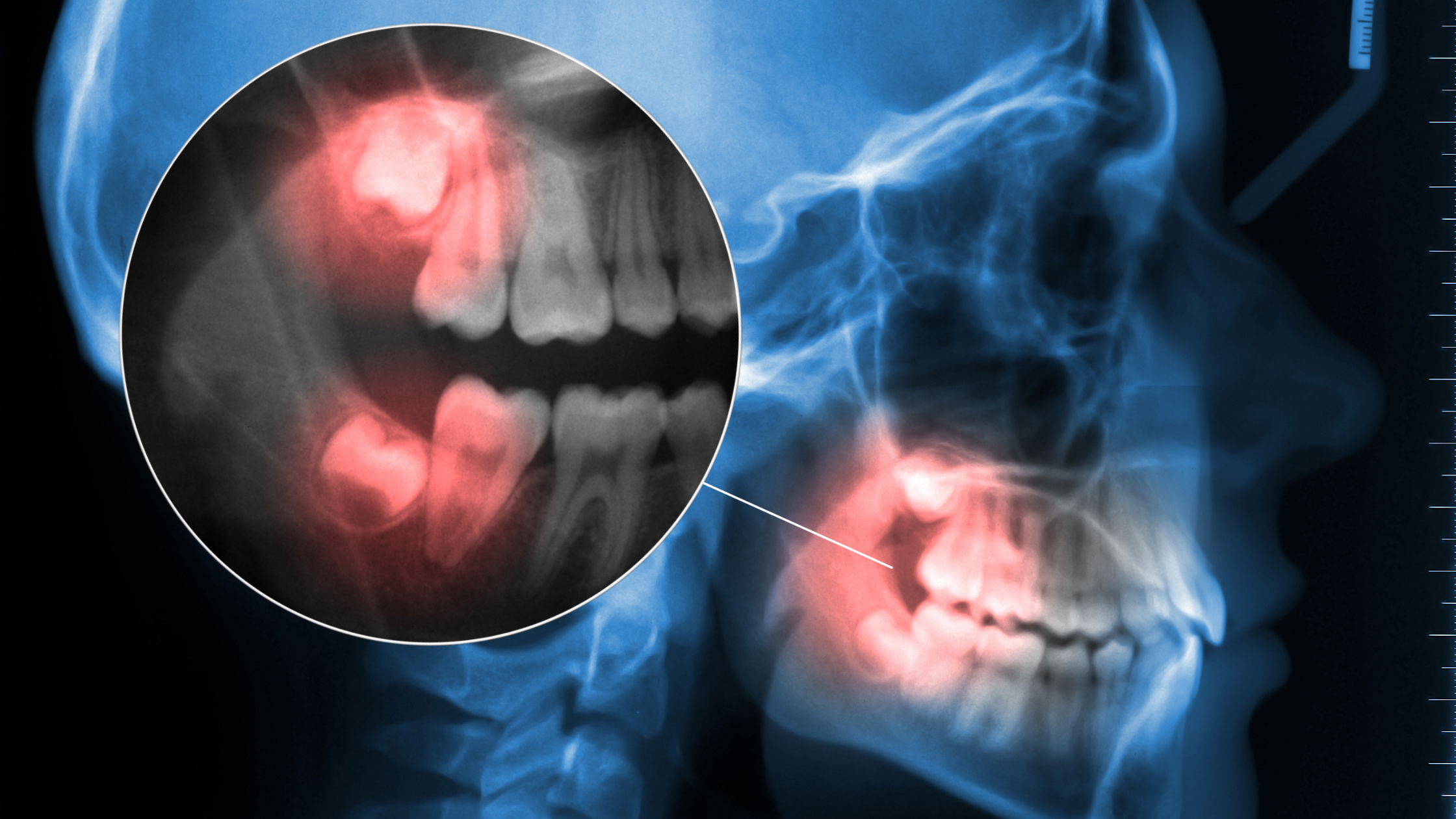
Two nerves in your lower jaw sit in close proximity to the roots of your lower wisdom teeth. These are the inferior alveolar nerve and the lingual nerve, and their location is one of the most important factors we assess before any extraction.
The inferior alveolar nerve runs through a canal inside your lower jawbone. It provides sensation to your lower teeth, lip, and chin. When wisdom tooth roots sit very close to this canal, or wrap around it, extractions carry a higher risk of nerve contact.
The lingual nerve runs along the inner side of your lower jaw, very close to the wisdom tooth socket. It provides sensation to your tongue and the floor of your mouth. Because of its position, it can be affected during wisdom teeth extractions even without direct contact.
Factors that increase nerve risk include:
- Deeply impacted wisdom teeth
- Roots that curve around the nerve canal
- Older patients with fully developed roots
- Teeth with multiple or divergent roots
How 3D Imaging Protects You During Wisdom Teeth Extractions
Traditional dental X-rays provide a two-dimensional view of your teeth and jaw. They can show that a wisdom tooth root is near the nerve canal, but they can’t show exactly how close, or in which direction the root curves.
Cone beam computed tomography (CBCT) imaging changes this entirely. CBCT creates detailed 3D images of your teeth, roots, nerves, and bone, showing us the exact spatial relationship between wisdom tooth roots and nerve canals from every angle.
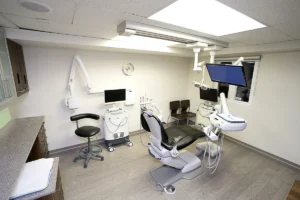
At Dental Arts At Front, located at 350 Front St W in Toronto, we use advanced imaging to assess nerve risk before wisdom teeth extractions. This allows us to plan each procedure with precision.
What 3D Imaging Reveals
When reviewing CBCT scans, we assess:
- The exact distance between the root tip and the nerve canal
- Whether roots are straight, curved, or hooked around the canal
- The position of the canal relative to the tooth roots
- Bone density surrounding the tooth
When imaging reveals significant nerve proximity, we adjust our approach. Options include coronectomy (removing only the crown and leaving roots in place), modified extraction techniques, tooth sectioning, or referral to an oral and maxillofacial surgeon. This level of planning is only possible with detailed 3D imaging.
Nerve Injury After Wisdom Teeth Extractions: Incidence and Symptoms
Despite careful planning, nerve injuries can still occur. According to a systematic review published in the International Journal of Oral and Maxillofacial Surgery, temporary inferior alveolar nerve injury occurs in approximately 0.4 to 8.4 percent of lower wisdom tooth extractions. Permanent injury affects approximately 0.04 to 0.9 percent of cases.
Symptoms to Watch For
After wisdom teeth extractions, some numbness is normal due to local anesthesia. The concern is when numbness persists beyond the expected timeframe.
Inferior alveolar nerve symptoms:
- Numbness or tingling in the lower lip or chin
- A feeling that the anesthesia hasn’t worn off
- Altered sensation in the lower teeth
Lingual nerve symptoms:
- Numbness or tingling in the tongue
- Altered taste sensation
- Burning sensation on the tongue
Contact your dentist if numbness persists beyond 8 hours after your wisdom teeth extractions. At Dental Arts Toronto, we provide all patients with direct post-operative contact information for exactly these situations. Call us at (416) 551-4401 with any concerns.
Recovery from Nerve-Related Complications
Most nerve effects after wisdom teeth extractions are temporary. The most common type of injury is neuropraxia, where the nerve is bruised or compressed but not severed. Full recovery typically occurs within days to weeks.
More significant injuries may take 3 to 6 months to resolve. Research published in the British Journal of Oral and Maxillofacial Surgery confirms that early intervention improves outcomes for persistent nerve injuries.
Treatment options for prolonged symptoms include:
- Vitamin B12 supplementation to support nerve healing
- Low-level laser therapy to accelerate recovery
- Medications to manage neuropathic pain or burning sensations
- Sensory re-education exercises
- Microsurgical nerve repair in rare, severe cases
Nerve healing is slow. Improvement may continue for up to 18 to 24 months after wisdom teeth extractions in some cases. Patience and consistent follow-up are essential.
Our Commitment to Safe Wisdom Teeth Extractions
At Dental Arts At Front, patient safety guides every decision we make. We conduct thorough pre-operative assessments using advanced imaging to identify nerve risk before wisdom teeth extractions. When imaging shows significant nerve proximity, we discuss all available options openly with our patients.
Our downtown Toronto location at 350 Front St W serves patients from across the city. If you have questions about your wisdom teeth or want to understand your specific risk profile, call Dental Arts Toronto at (416) 551-4401 to schedule a consultation.
With proper planning, advanced imaging, and experienced care, the vast majority of patients complete their wisdom teeth extractions safely and successfully.