
Call a dentist promptly if you have severe or persistent tooth pain, dental swelling, a broken or knocked-out tooth, bleeding that doesn’t settle, signs of infection, or an injury involving your teeth or mouth. A dental professional can ask about your symptoms and advise you on the appropriate next step.
Some situations need medical care rather than a routine dental appointment. Severe facial swelling, difficulty breathing or swallowing, uncontrolled bleeding, or serious facial trauma may require emergency medical attention first. Call 911 or seek emergency medical care if the situation appears life-threatening.
If you’re unsure what level of care you need, contacting an emergency dentist in Toronto and clearly describing what happened can help you receive appropriate guidance.
What Counts as a Dental Emergency?
A dental emergency is a problem involving the teeth, gums, jaw, or surrounding tissues that may require prompt professional assessment. Not every uncomfortable sensation is an emergency, but symptoms that are severe, worsening, or connected to swelling or trauma shouldn’t be ignored.
Possible dental emergencies include:
- Severe or persistent tooth pain
- Swelling involving the gums, jaw, or face
- A knocked-out or significantly displaced tooth
- A broken or cracked tooth causing pain
- Bleeding that doesn’t settle
- A dental injury following a fall, collision, or impact
- Signs that may suggest an infection, such as swelling, pus, fever, or a bad taste
- A lost filling or crown causing pain or leaving a sharp surface
- An object lodged around a tooth that cannot be gently removed
These symptoms can have different causes. A phone call or online description cannot replace an examination, and the appropriate response depends on the circumstances.
The word “emergency” doesn’t always mean the concern will require a complicated procedure. It describes how quickly the problem should be assessed, not the treatment that will necessarily follow.
When Downtown Toronto Patients Should Call a Dentist Promptly
Pain is one of the most common reasons people seek urgent dental care, but intensity isn’t the only factor to consider. How long the pain has lasted, whether it is worsening, and whether other symptoms are present can all matter.
Call a dentist promptly if you notice:
- Tooth pain that is severe, persistent, or getting worse
- Pain that repeatedly interrupts sleep, eating, or work
- Swelling near a tooth or along the gums or jaw
- Fever, pus, or a persistent unpleasant taste with dental discomfort
- A tooth that has broken, shifted, or been knocked out
- Bleeding that continues despite gentle pressure
- A sharp edge that is cutting the tongue or cheek
- New pain following an injury to the mouth
- A loose adult tooth
- Difficulty opening or closing your mouth comfortably
Downtown Toronto patients may be tempted to delay calling because of meetings, commuting, or other responsibilities. Waiting can make the situation more stressful, especially when symptoms are changing. Calling does not commit you to a particular treatment. It allows the office to gather information and explain what kind of assessment may be appropriate.
If swelling begins to affect breathing or swallowing, spreads quickly across the face or neck, or occurs with serious illness, seek emergency medical care.
Common Dental Concerns Near Front Street That May Need Urgent Care
Dental problems can develop at home, at work, during a meal, or while travelling through the downtown core. The examples below don’t confirm a diagnosis, but they can help you recognize when professional advice may be needed.
Toothache
A toothache may feel sharp, throbbing, sensitive, or painful when biting. The discomfort might come and go or remain constant.
Minor sensitivity isn’t always an emergency. Pain that persists, worsens, interrupts sleep, or occurs with swelling should be assessed promptly. Possible follow-up care depends on what the dentist finds. It could involve monitoring, a filling, restorative care, or another recommendation.
Chipped or cracked tooth
A small chip may not cause immediate pain, while a larger crack can create sensitivity, a sharp edge, or discomfort when chewing. The extent of the damage isn’t always visible from the outside.
Avoid assuming that a painless chip is harmless. Contact a dentist for guidance, particularly if the tooth feels unstable, sensitive, or painful.
Lost filling or crown
A lost restoration may expose sensitive tooth structure or leave an uneven surface. Keep the filling or crown if you can find it, but don’t try to glue it back into place with a household product.
A dentist may need to examine the tooth before determining whether the restoration can be replaced or whether another option should be discussed. Information about tooth fillings in Toronto may be useful for patients whose concern involves a damaged or missing filling.
Swelling around the gums or jaw
Swelling may develop near a tooth, along the gumline, or around the jaw. It can have several causes, including irritation, inflammation, or infection, so it shouldn’t be diagnosed based on appearance alone.
Call a dentist promptly if swelling is increasing, painful, or accompanied by fever, drainage, or a bad taste. Severe facial swelling or difficulty breathing or swallowing requires emergency medical care.
Wisdom tooth discomfort
Pain or swelling near the back of the mouth may be related to a wisdom tooth, but other dental concerns can cause similar symptoms. An assessment is needed to determine where the discomfort is coming from and what options may be appropriate.
Injury to the teeth or gums
Falls, sports injuries, collisions, and accidental impacts can damage teeth even when there is no obvious break. A tooth might become loose, shift position, or develop sensitivity after the injury.
Call a dentist promptly after significant dental trauma. Serious facial trauma, uncontrolled bleeding, loss of consciousness, or other major injuries may require emergency medical attention first.
What to Do Before Your Dental Appointment
The first step is to call the dental office and describe what happened. Be ready to explain where the problem is, when it began, whether there was an injury, and whether you have swelling, fever, bleeding, or difficulty breathing or swallowing.
While waiting for professional guidance:
- Avoid chewing on the affected side.
- Save any tooth fragment, filling, or crown you can locate.
- Handle damaged dental pieces carefully and keep them in a safe container.
- Use a cold compress against the outside of the face if advised and comfortable.
- Avoid placing household glue or other substances on the tooth.
- Don’t file, cut, or reshape a damaged tooth or restoration yourself.
- Follow any instructions provided by the dental or medical professional you contact.
- If using an over-the-counter medication, follow its label and advice from a pharmacist or healthcare professional.
For a knocked-out tooth, contact a dentist immediately and ask for instructions. Time can matter, so don’t wait to see whether the area improves on its own.
Bring relevant information to the appointment, including a medication list, health history, details about the injury, and any broken pieces you recovered. If someone witnessed the incident, their description may also be helpful.
How Dental Arts at Front Supports Downtown Toronto Patients
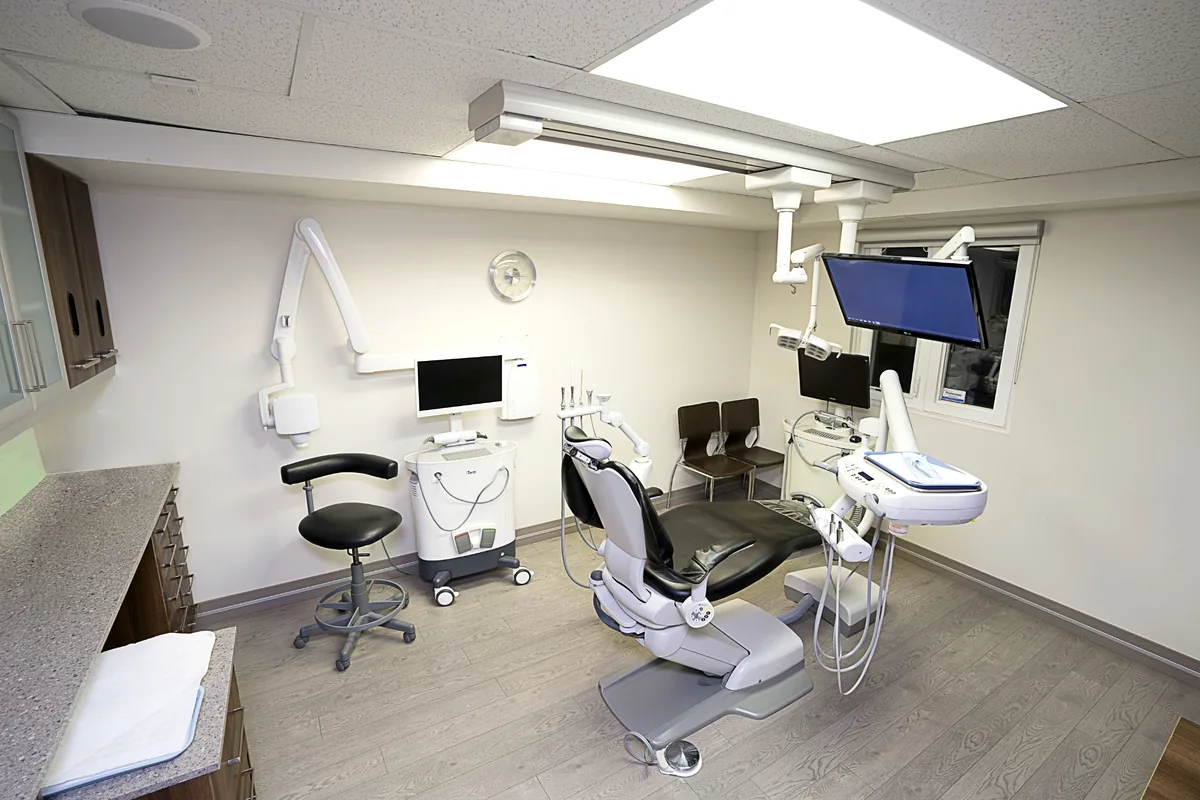
Dental Arts at Front is the clinic’s Downtown Toronto location serving patients near Front Street and the surrounding area. The office provides general, family, cosmetic, restorative, and emergency dental care.
When you call about an urgent concern, provide a clear description of your symptoms and confirm which Dental Arts location you are contacting. The dental team can advise you about the next steps based on the information available and the office’s schedule.
An urgent assessment generally focuses on understanding the source and extent of the concern. The dentist may examine the painful or damaged area, consider surrounding teeth and tissues, and discuss possible options. The recommended care depends on the clinical findings.
For example, significant tooth pain doesn’t automatically mean that root canal treatment in Toronto will be needed. Several problems can produce similar symptoms, and only an examination can clarify what may be appropriate.
Questions to Ask When Looking for an Emergency Dentist on Front Street
A stressful dental concern can make it difficult to remember what information to share. Preparing a few questions may make the call easier.
What symptoms should I describe when I call?
Explain when the problem started, where it is located, how severe it feels, and whether it is changing. Mention swelling, fever, bleeding, trauma, drainage, or difficulty breathing or swallowing immediately.
Which location should I contact?
Confirm that you are speaking with Dental Arts at Front if you need the Downtown Toronto office near Front Street. Dental Arts operates more than one Toronto location.
What should I bring?
Ask whether you should bring broken tooth fragments, a lost restoration, medication information, health details, or records related to an injury.
What can I do while waiting for guidance?
Follow instructions from the dental team. Avoid attempting to repair or adjust the tooth yourself, and ask before taking actions that could affect the damaged area.
Frequently Asked Questions About Emergency Dental Care on Front Street
Is tooth pain always a dental emergency?
No. Brief or mild sensitivity isn’t always an emergency. However, tooth pain that is severe, persistent, worsening, interrupting sleep or eating, or accompanied by swelling should be assessed promptly.
If you’re uncertain, call a dentist and describe the symptoms rather than trying to determine the urgency on your own.
Should I call a dentist for a chipped tooth?
A chipped tooth should be assessed, especially if it causes pain, sensitivity, sharp edges, or visible damage. Even a painless chip may need attention because the extent of the damage isn’t always clear from appearance alone.
Save any fragment you find and avoid chewing on the affected side while waiting for professional advice.
What should I do if a tooth is knocked out?
Call a dentist immediately and request urgent professional guidance. Don’t delay while waiting for pain to develop. Serious injuries involving the face, jaw, heavy bleeding, or other areas of the body may also require emergency medical care.
Can swelling around a tooth be serious?
Yes, dental swelling can sometimes be associated with infection or significant inflammation and should be assessed promptly. Seek emergency medical care if swelling is severe, spreading quickly, or causing difficulty breathing or swallowing.
Which Dental Arts location is closest to Front Street?
Dental Arts at Front serves the Downtown Toronto and Front Street area. Review the Dental Arts at Front location information and confirm the office when calling, since Dental Arts also operates an Uptown Toronto location.
Talk to Dental Arts Toronto About Emergency Dental Concerns on Front Street
Tooth pain, swelling, a broken tooth, or an injury can be stressful, particularly when you’re unsure how urgently it needs attention. Calling a dental professional gives you an opportunity to explain what happened and receive guidance based on your symptoms.
If you have an urgent dental concern near Front Street, contact Dental Arts Toronto and confirm that you are trying to reach Dental Arts at Front. The office can explain the next steps without guaranteeing a particular appointment time, diagnosis, treatment, cost, or outcome.